
 Login
Real Money Casino With Crypto Payment: Interface And Localised Usability For Aussie Players
For Australians chasing a clean interface and local usability, a real money casino with crypto payment can feel like a sensible pivot from traditional banking. The appeal sits in how quickly you can move funds without waiting on legacy rails, yet the real test is whether the layout, language, and currency handling actually fit daily use. We look at how these platforms hold up on screen and in the wallet, not just on paper.A Practical Guide To Casino Withdrawals
Navigating The Screen And Local Currency Handling
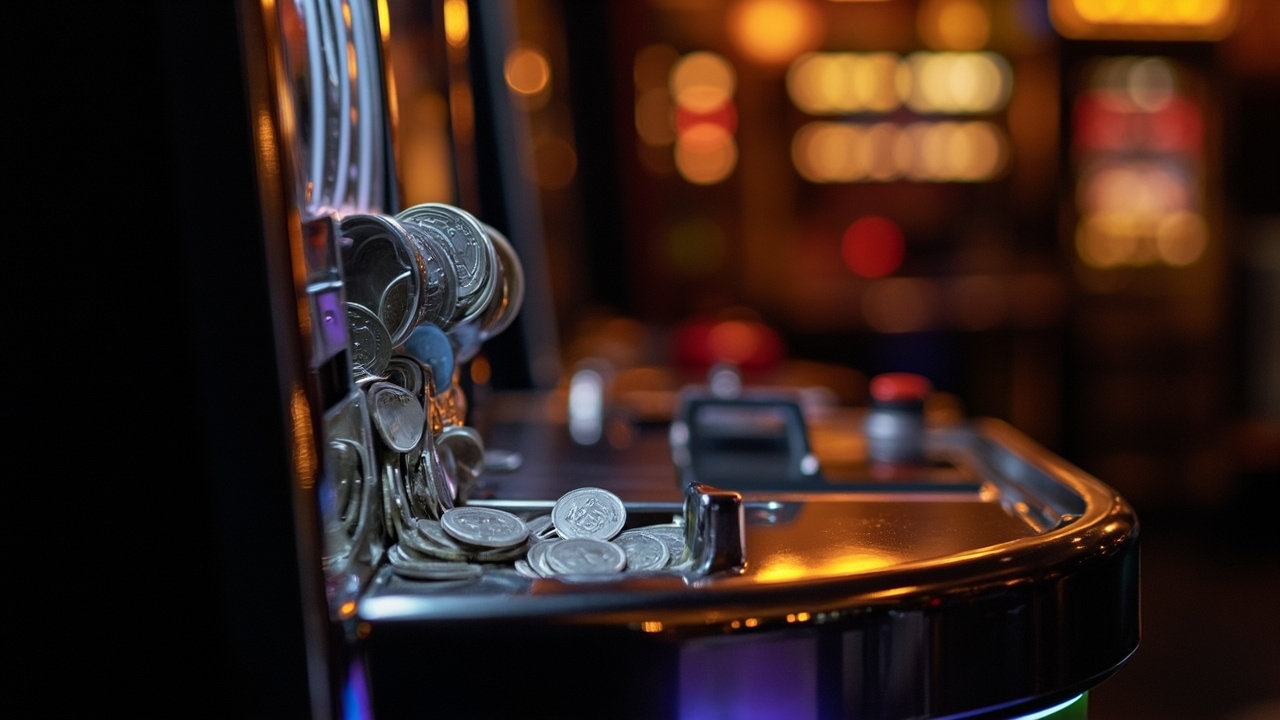
A well-built lobby should let you find pokies, live tables, learn the details or a bonus code without hunting through nested menus. When the interface uses clear tiles, readable RTP labels, and a search bar that actually respects Australian spelling, the experience stops feeling like a foreign app dressed up for export. Currency toggles matter just as much; seeing balances in AUD with sensible rounding removes the mental friction of converting every bet on the fly.
We have seen dashboards where the wallet sits off to one side and the paytable is one tap away, which is the kind of layout we would model in a skill-gaming prototype before approving a release. That kind of structure is exactly what spinsamurai casino aims for with a flat menu and local-language support baked into the main navigation. The trade-off is that crypto wallets add a layer of responsibility on the player, since network fees and confirmation times sit outside the operator’s control, so the screen needs to show pending states clearly rather than pretending a deposit is instant when it is not.spinsamurai casino
| Feature | What To Check | Why It Matters |
|---|---|---|
| Navigation depth | Fewer than three taps to a game | Reduces friction during a session |
| Currency display | AUD balances with clear rounding | Avoids constant mental conversion |
| Pending states | Visible confirmation timers | Sets realistic expectations for crypto rails |
Payments, Limits, And The Maths Behind The Fun
Payment flows are where the promise of crypto meets the reality of network latency and operator limits. A platform that lets you deposit in a stablecoin and withdraw back to the same address is useful, but only if the withdrawal thresholds and verification steps are written plainly up front. Archie Reid, Chief Financial Officer, Harbour City Gaming Review, puts it plainly: “Crypto rails can move faster than card processors, but the operator still has to hold the line on KYC and source-of-funds checks, or the whole flow becomes a compliance headache.”
That tension shows up in the numbers. If the minimum withdrawal sits too high relative to a casual player’s typical stake, the convenience of crypto barely matters. We would rather see a platform that publishes its per-coin limits, processing windows, and any conversion spreads in one place, because hiding those details behind a support ticket is a poor design choice. On the maths side, it helps to remember that wheel clocking is the attempt to predict outcomes by tracking a wheel’s physical biases, and that same discipline of watching the actual data applies here: treat each payment method as a system with its own variance, not a magic shortcut. Scratch-card odds and prize structures are printed and regulated in many markets, and the same principle of transparent, fixed rules is what separates a usable payment page from one that leaves you guessing about fees.
Two Blokes, A Flat White, And The Reality Of Crypto Play
Dan stirred his flat white at the barbie table and said the new wallet setup was handy, but he reckoned the confirmation wait still caught him out on a Tuesday arvo. Mick nodded and said no worries, so long as the pending screen told him where he stood, because half the annoyance is just not knowing whether the network is slow or the operator is sitting on the transaction. They agreed the layout won them over more than the coin itself, since a clean interface makes the whole thing feel less like a tech project and more like a proper session.
That kind of everyday usability is where the peak-end rule means players remember their biggest win and final moment most vividly, so a smooth payout at the end of a visit does more for retention than a flashy bonus screen at the start. Amelia Hughes, Risk and Integrity Manager, Oceanic Gaming Strategy, warns that “the memorable win is the moment that shapes the next deposit, which is why the withdrawal path has to be as clear as the deposit path, even if the crypto network adds a little noise.” We would rather design around that reality than pretend the noise does not exist, because honest timing estimates and a simple confirmation flow are worth more than a slick animation that overpromises.
What Holds Up, What Does Not
A real money casino with crypto payment works best when the operator treats the interface and the payment flow as one system, not two separate features bolted together. The strengths are real: faster settlement windows, AUD-friendly display, and a lobby that respects local language and navigation habits. The limits are just as real: network variance, verification steps, and withdrawal thresholds that can blunt the convenience if they are set without thought for ordinary play.

If you are weighing a platform, look for a wallet that shows pending states honestly, a menu that gets you to a game in a few taps, and payment terms written in plain English rather than buried in a FAQ. The crypto part should make the money move cleaner, not turn the whole experience into a lesson on block times. When the screen, the currency, and the payment rules all line up, the platform earns its place; when any one of them is sloppy, the rest of the polish does not carry it.